B55EFF,YYMHHPVVZLLWMM&XXG——7LL,AAT33·..X&&W--WAA1TION
Client
BAT North America (Vuse · VELO) · Field Marketing
Category
Process & Continuity · Activation Rollout
My Role
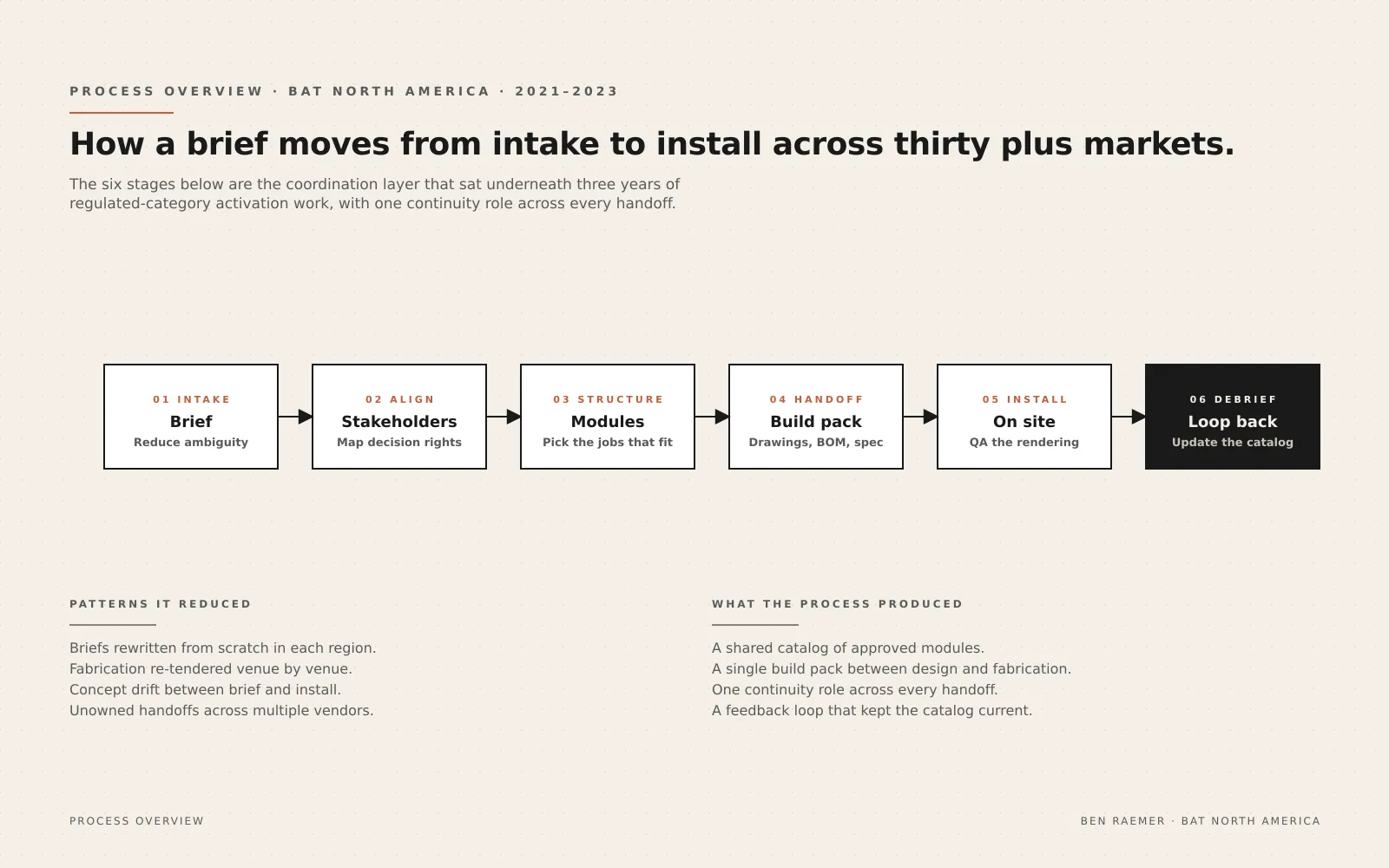
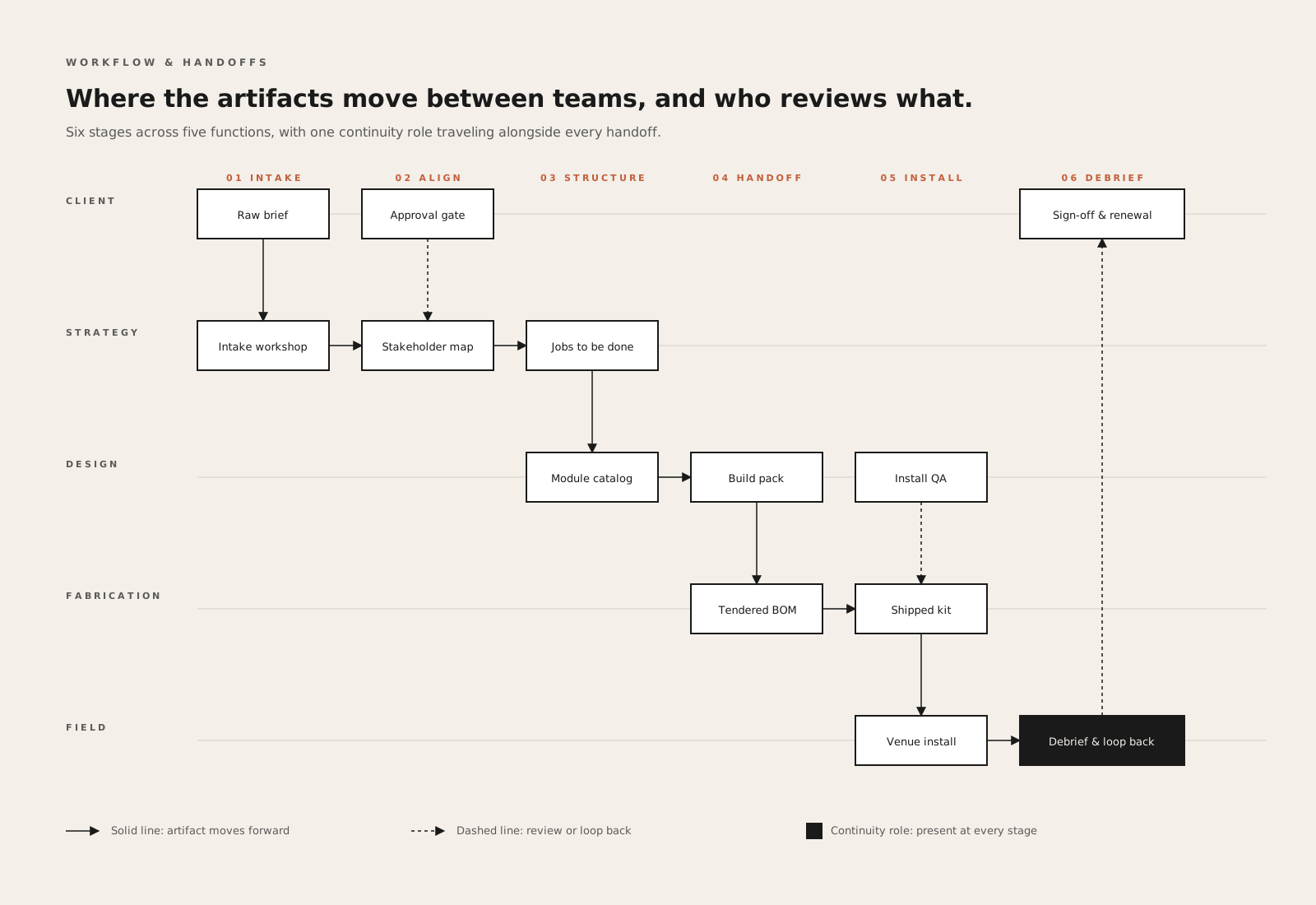
Across three years of activation work for BAT North America, I held the through-line between intake, design, fabrication, and install so the same concept could deploy across very different markets without being rebuilt locally. This case study walks the coordination layer underneath the work: the alignment workshops, the shared catalog of recurring modules, the stakeholder coordination, and the handoff pack between design and fabrication. The finished events themselves live in the McLaren and BAT case studies next to this one.
Challenge
Find a way for one approved program to deploy across very different markets, venue types, and regulatory regimes without the concept eroding at each handoff, without field teams having to reinvent it locally, and without a heavy central design function holding up every shipment.
Premise
Why the part nobody sees usually decides the outcome.
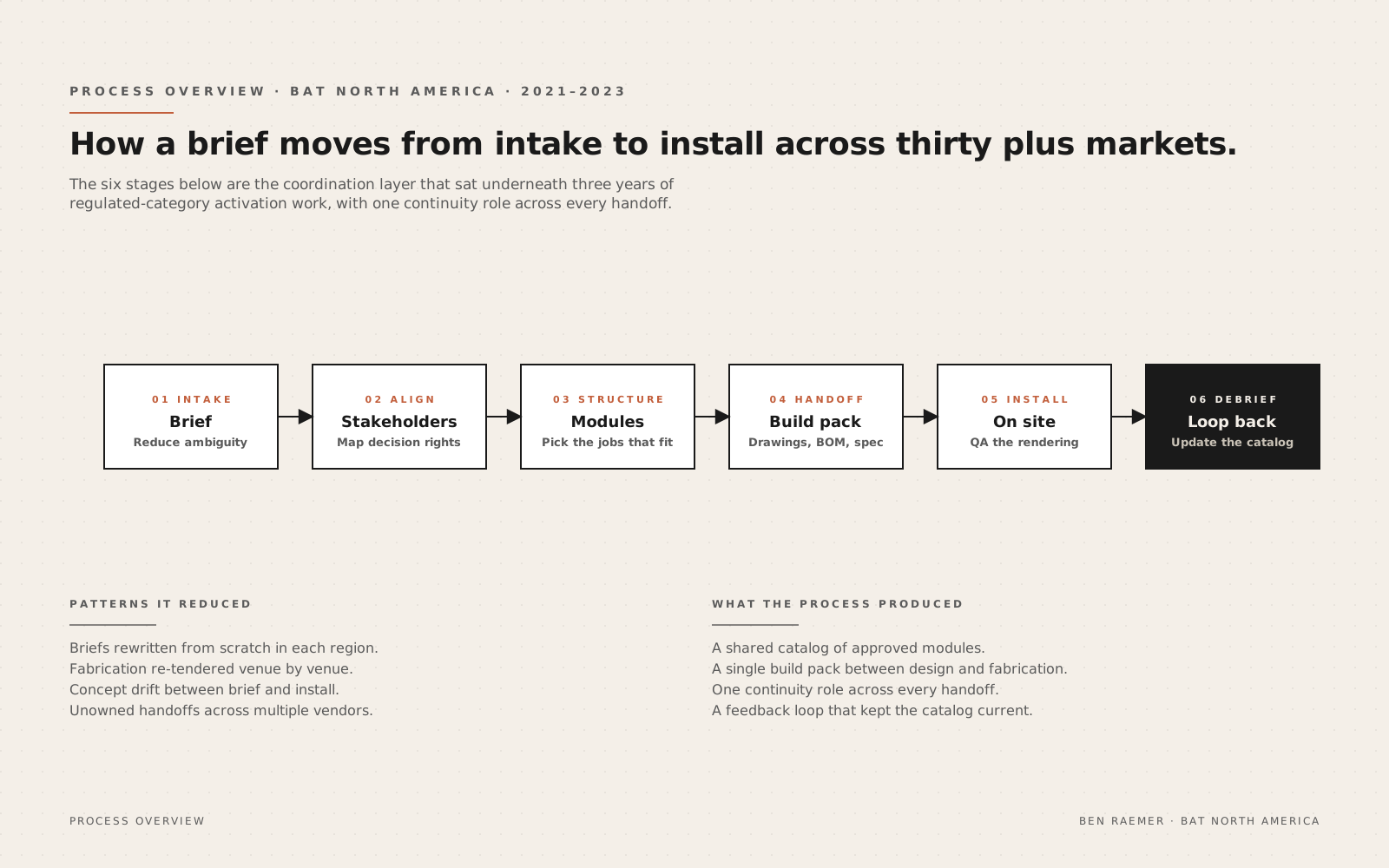
Experiential work is mostly judged by the photography at the end. The work that decides whether the photography happens at all sits earlier: in how the brief gets clarified, how stakeholders agree on what they are approving, how recurring parts get reused across venues, how the build pack travels between design and fabrication, and how the install is checked against the rendering before the venue opens.
This case study walks that layer for three years of BAT North America activation work. The finished events themselves live in the McLaren and BAT case studies next to it.
Early alignment
Sorting briefs before they reach design.
Briefs tended to arrive in the same shape: a regional lead, a launch window, a venue list, a budget number, and a sentence about brand. None of it was a design problem yet, and most of it was an alignment problem in disguise.
Running a short workshop at the front of each brief, with the right eight or so people in the room for a couple of hours, separated what the activation was supposed to do from what it was supposed to look like. Design did not start until that separation existed, which kept later rework much smaller.
What the workshop produced
- 01The brief restated in plain language, with the regional lead's sign-off in the room
- 02The explicit regulatory and venue constraints the design could not violate
- 03A short list of non-goals so scope did not drift later in the process
- 04Any open unknowns the team owed back, with a date attached
Stakeholder coordination
Mapping who decides what, before the decisions arrive.
Regulated-category work fails most often when decisions drift. Legal gets pulled in late, the regional lead gets pulled in early, the sponsor partner gets surprised by something that has already been built. A simple map of approvers, designers, and builders for each market made those moments predictable. It was built once per market and reused across briefs in that market.
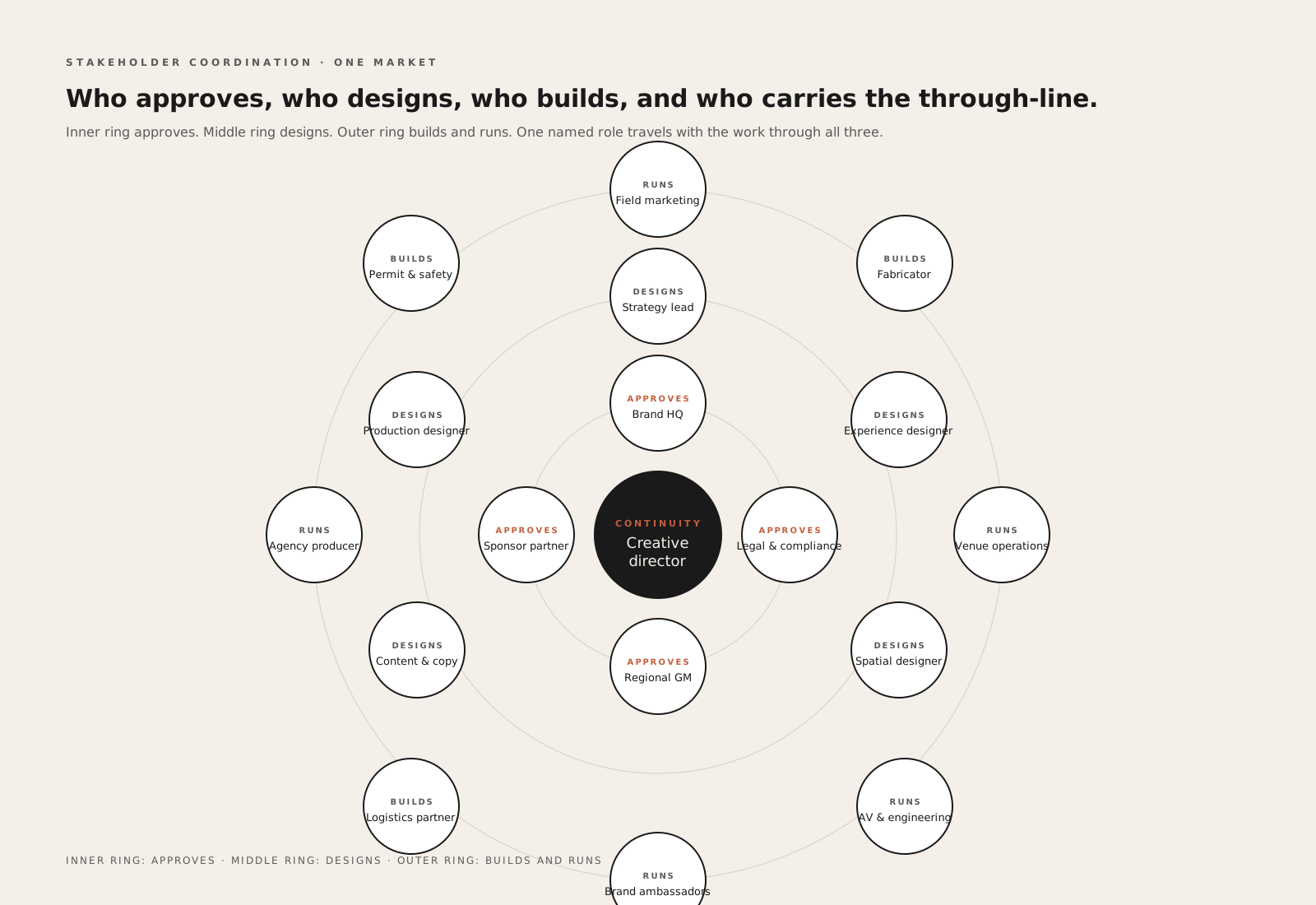
The map was less about the org chart than about naming one person who carried the concept from intake through install. Other roles could rotate without the work falling apart. That one could not.
Modularity for rollout
Approve once, assemble per venue.
Once briefs were clean and the right people were in agreement, the activation work itself was reused rather than redrawn. The recurring parts (threshold, age gate, education kiosk, product trial, reaction mechanic, simulator pod, hospitality seating, leaderboard, take-home) were treated as a shared catalog.
Each part was designed, costed, regulator-approved, and tendered to fabrication once. Per venue, the field assembled a kit out of the parts that fit, and left the rest out. It was the cheapest practical answer to the redesign-per-venue problem.
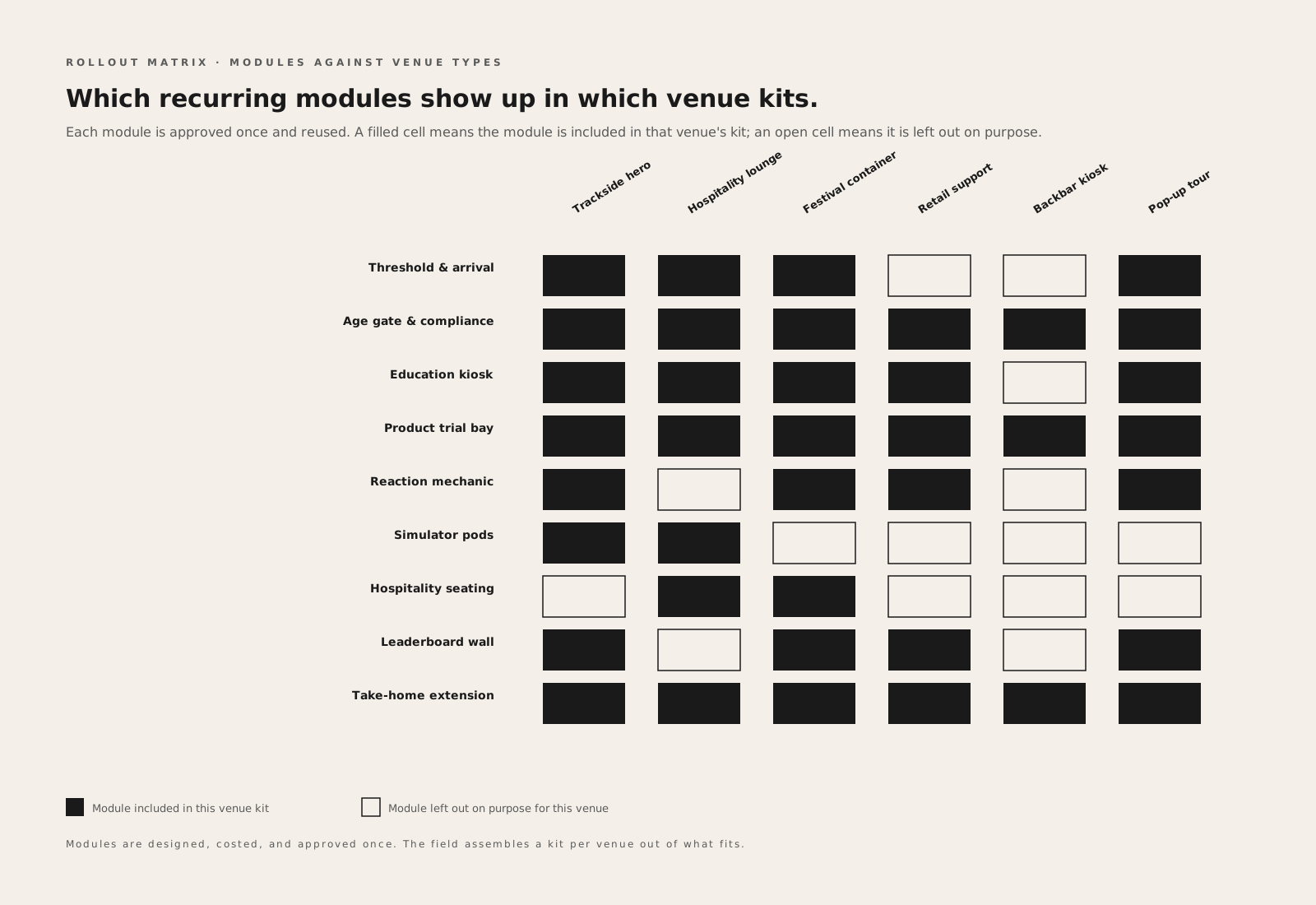
“Leaving a module out is a choice, not a failure. The kit that ships to a backbar should not include a simulator pod, and the discipline is in being deliberate about that every time.”
Handoff and continuity
One pack between design and fabrication.
The largest drop-offs in quality happened at the wall between design and fabrication. The fix was an unglamorous one. A single build pack with drawings, BOM, materials spec, install sequence, and a compliance annex moved across that line, and nothing else.
If the fabricator delivered to the pack, the install matched the rendering. If the field requested a change, the change went back through the catalog instead of around it, so it could be reused next time rather than re-litigated.
On-site reality
Checking the install against the rendering.
Install day is when the work either earns its planning or quietly does not. The on-site check was not a punch list of defects. It was a one-page comparison of the rendering against the install, annotated with whatever had drifted, signed off before the venue opened.
Drift was expected. The point was that it got named, owned, and routed back into the catalog so the next kit did not inherit it.
What the on-site check covered
- 01Rendering against install, annotated and signed off by the continuity owner
- 02Compliance walk with the regional legal contact against the regulatory annex
- 03Field marketing dry run, timed, with the ambassador script in hand
- 04Day-one snag list with named owners and forty-eight-hour resolution windows
Debrief
Closing the loop back into the catalog.
Within a week of teardown, every activation ran the same short debrief. The output was not a deck. It was a set of updates to the catalog: parts that earned their place, parts that did not, new candidates that surfaced on site, regulatory changes to fold into the annex. The catalog version moved, and the next brief opened against the updated catalog.
30+
Markets covered
1
Shared module catalog
0
Ground-up redesigns per venue
What it produced
The part of the work that decides whether the work works.
The McLaren and BAT case studies sitting next to this one are what this coordination layer was supporting. They look like activation projects because that is what shipped. The reason they shipped looking like the rendering is the coordination underneath them.
Senior creative leadership in this category is largely this kind of work. The photography is the by-product.
What this shows a hiring team
“Senior creative leadership that pays attention to the coordination layer under the work: clarifying ambiguous briefs, mapping who decides what, holding continuity through fabrication and install, and giving lean field teams something they can actually run.”